
- 하루 2번 AI 생성 (총 6회)
- .docx, .pdf 또는 .txt에서 가져오기
- Google 드라이브에서 가져오기
- 무료 입력
- 10페이지 프레젠테이션 슬라이드
- .pdf, .ppt 또는 이미지로 내보내기
- 워터마크 포함

AiPPT
0
AiPPT는 주제, 메모, URL, 문서를 구조화된 프레젠테이션 슬라이드로 변환합니다. PDF, Word 파일, PowerPoint 또는 Excel 문서, 이미지를 업로드하거나 텍스트를 입력한 다음 테마를 선택하고 생성된 프레젠테이션을 맞춤 설정하세요. 대화형 편집으로 텍스트, 레이아웃, 차트, 테마, 시각 요소를 수정할 수 있으며, 디자인 다듬기 기능으로 타이포그래피, 간격, 슬라이드의 균형을 조정할 수 있습니다. 프레젠테이션을 PPTX, PDF 또는 이미지로 내보내거나 온라인으로 공유하세요.
이 도구 홍보하기
이 도구 업데이트하기
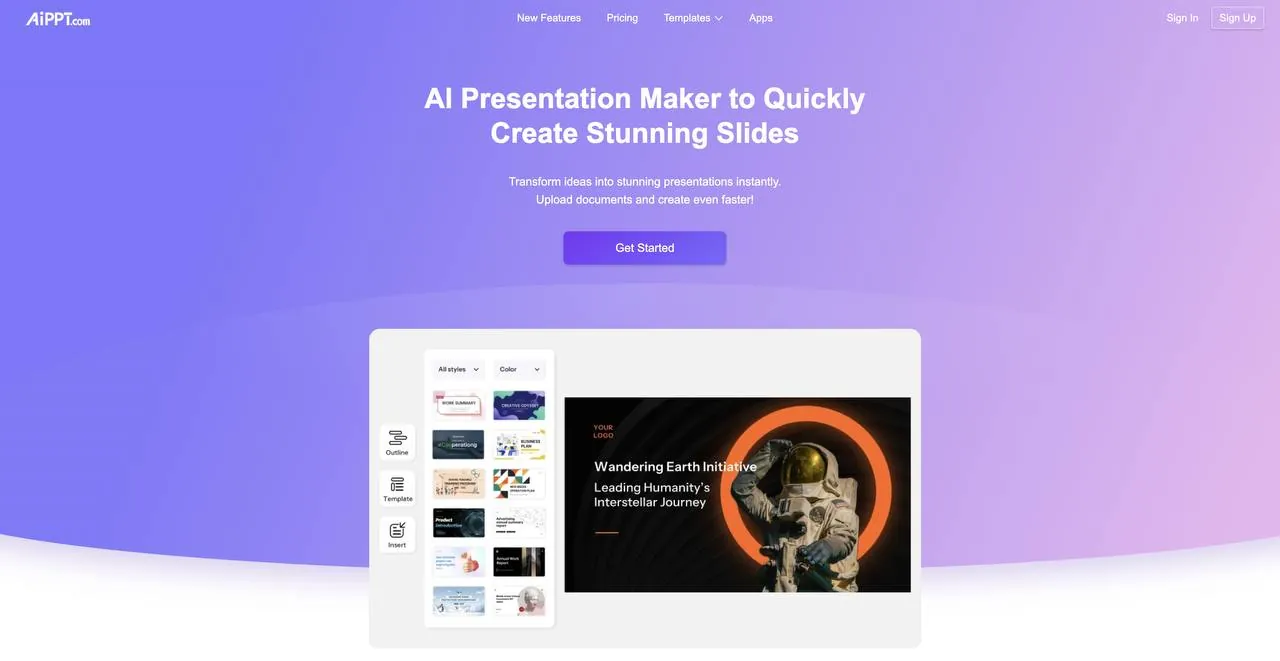
AiPPT
AiPPT는 주제, 메모, URL, 문서를 구조화된 프레젠테이션 슬라이드로 변환합니다. PDF, Word 파일, PowerPoint 또는 Excel 문서, 이미지를 업로드하거나 텍스트를 입력한 다음 테마를 선택하고 생성된 프레젠테이션을 맞춤 설정하세요. 대화형 편집으로 텍스트, 레이아웃, 차트, 테마, 시각 요소를 수정할 수 있으며, 디자인 다듬기 기능으로 타이포그래피, 간격, 슬라이드의 균형을 조정할 수 있습니다. 프레젠테이션을 PPTX, PDF 또는 이미지로 내보내거나 온라인으로 공유하세요.
광고
AiPPT란?
AiPPT는 주제, 붙여 넣은 텍스트, 메모, URL, 업로드된 파일을 바탕으로 프레젠테이션 초안을 만듭니다. 지원되는 파일에는 PDF, Word 문서, PowerPoint 파일, Excel 문서, 이미지가 포함됩니다. 핵심 정보를 추출해 슬라이드 개요, 레이아웃, 시각 요소로 구성합니다. 사용자는 전문적으로 디자인된 템플릿을 적용하거나 테마를 맞춤 설정한 뒤 슬라이드 내용과 스타일을 편집할 수 있습니다. 대화형 편집을 통해 텍스트 다시 쓰기, 레이아웃이나 테마 변경, 차트 추가, 시각 요소 수정 등을 요청할 수 있습니다. 디자인 다듬기 기능으로 타이포그래피, 시각적 계층, 간격, 페이지별 균형을 조정할 수 있습니다. AiPPT는 문서와 기타 콘텐츠를 프레젠테이션으로 변환하는 작업 흐름도 제공합니다. 완성된 프레젠테이션은 편집 가능한 PPTX, PDF 또는 이미지 파일로 내보내거나 온라인으로 공유해 일반 프레젠테이션 도구에서 사용할 수 있습니다.
AiPPT을 사용할 사람은?
- 비즈니스 분석가 및 전문가
- 교사 및 교육자
- 학생 및 연구자
- 제품 디자이너
- 영업 및 마케팅 팀
- 비즈니스, 교육, 연구 또는 창작 프레젠테이션을 준비하는 사람
AiPPT 사용 방법은?
- 1단계: 주제를 입력하거나 텍스트, 메모, URL을 붙여 넣거나 지원되는 문서 또는 이미지를 업로드합니다.
- 2단계: AiPPT가 콘텐츠를 구성하고 프레젠테이션 슬라이드를 생성하도록 합니다.
- 3단계: 템플릿이나 테마를 선택하고 슬라이드 내용, 레이아웃, 차트, 시각 요소를 맞춤 설정합니다.
- 4단계: 필요에 따라 대화형 편집을 활용해 타이포그래피, 간격, 슬라이드 균형을 다듬습니다.
- 5단계: 프레젠테이션을 PPTX, PDF 또는 이미지로 내보내거나 온라인으로 공유합니다.
플랫폼
- Web
AiPPT의 핵심 기능 및 장점
핵심 기능
- 주제, 텍스트, URL, 업로드된 파일에서 슬라이드 생성
- 문서를 분석하고 프레젠테이션에 필요한 핵심 정보 추출
- 대화형 지시를 통해 슬라이드 편집
- 프레젠테이션 테마와 템플릿 적용 및 맞춤 설정
- 타이포그래피, 계층, 간격, 레이아웃 다듬기
- 프레젠테이션을 PPTX, PDF 또는 이미지로 내보내고 온라인으로 공유
장점
- 기존 자료를 바탕으로 구조화된 프레젠테이션 제작
- 슬라이드 레이아웃과 서식 작업을 수동으로 하는 부담 감소
- 다양한 대상과 목적에 맞게 생성된 프레젠테이션 맞춤 설정
- 일반 도구에서 프레젠테이션 콘텐츠 재사용 및 편집
AiPPT의 주요 사용 사례 및 애플리케이션
- 비즈니스 프레젠테이션 및 피치 덱 제작
- 수업 자료를 교실용 슬라이드로 변환
- 연구 논문과 보고서를 프레젠테이션으로 변환
- PDF, Word 파일, 스프레드시트, URL을 슬라이드 덱으로 변환
- 마케팅, 재무, 포트폴리오, 프로젝트 프레젠테이션 준비
AiPPT의 장점과 단점
장점
텍스트, URL, 문서, 이미지를 포함한 다양한 입력 지원
생성된 슬라이드를 계속 편집할 수 있으며 일반적인 프레젠테이션 형식으로 내보낼 수 있음
대화형 편집과 자동 디자인 다듬기 기능 제공
비즈니스, 교육, 연구 및 기타 프레젠테이션 상황에 맞는 템플릿 포함
단점
생성된 프레젠테이션은 사용자의 콘텐츠와 스타일에 맞추기 위해 검토와 수동 수정이 필요할 수 있습니다.
AiPPT의 가격
| 무료 플랜 있음 | YES |
|---|---|
| 무료 평가판 정보 | |
| 가격 모델 | 프리미엄 |
| 신용카드 필요 여부 | No |
| 결제 시작 | 0 |
| 평생 플랜 있음 | No |
| 청구 빈도 |
가격 플랜 상세 정보
무료
0플러스
0- 하루 20번 AI 생성
- .docx, .pdf 또는 .txt에서 가져오기
- Google 드라이브에서 가져오기
- 20페이지 프레젠테이션 슬라이드
- .pdf, .ppt 또는 이미지로 내보내기
- 워터마크 없음
프로
0- 하루 40번 AI 생성
- .docx, .pdf 또는 .txt에서 가져오기
- Google 드라이브에서 가져오기
- 40페이지 프레젠테이션 슬라이드
- .pdf, .ppt 또는 이미지로 내보내기
- 워터마크 없음
AiPPT의 자주 묻는 질문
AiPPT 회사 정보
AiPPT의 분석
시간 경과에 따른 방문
월별 방문 수
733.9K
평균 방문 시간
00:02:19
방문당 페이지 수
3.58
이탈율
37.36%
Jul 2026 - Sep 2026 전체 트래픽
지리정보
상위 5 지역

India
36.16%
Indonesia
11.86%
United States
5.82%
Russia
2.83%
Philippines
2.27%
Jul 2026 - Sep 2026 전세계 데스크탑 전용
트래픽 소스
SearchOrganic
57.34%
SearchPaid
20.58%
Direct
15.57%
Referrals
2.42%
DisplayAds
1.50%
SocialOrganic
1.15%
GenAi
0.99%
SocialPaid
0.18%
Mail
0.17%
Affiliate
0.10%
Sep 2026 데스크탑 전용
상위 키워드
| 키워드 | 트래픽 | 클릭당 비용 |
|---|---|---|
| aippt | 16.8k | $0.81 |
| gamma ai | 897.3k | $0.31 |
| ai ppt maker | 30.6k | $0.40 |
| ppt maker ai | 30.8k | $0.13 |
| ai ppt | 21.7k | $0.71 |

설치 방법은?

설치 방법은?
AiPPT 리뷰
5/5
댓글 (1)

ANGELA YOLANDA VASQUEZ GOMEZ
August 21 2025
El proceso de creación, sanción y promulgación de una ley penal especial en Guatemala, según la Constitución, consta de varias etapas. Inicia con la iniciativa de ley, seguida de la discusión y aprobación en el Congreso de la República, la sanción por parte del Presidente, la publicación en el Diario Oficial, y finalmente, su entrada en vigencia.
1. Iniciativa de Ley:
• El proceso comienza con la presentación de una iniciativa de ley ante la Dirección Legislativa del Congreso.
• Esta iniciativa puede ser presentada por diputados, el Organismo Ejecutivo, la Corte Suprema de Justicia, la Universidad de San Carlos, o el Tribunal Supremo Electoral, según lo establecido en la Constitución (artículo 174).
• La Dirección Legislativa verifica que la iniciativa cumpla con los requisitos de redacción, estilo y protocolo, y le asigna un número para su identificación.
2. Discusión:
• La iniciativa es enviada a la comisión o comisiones correspondientes del Congreso, donde se analiza y discute a fondo.
• Se realizan audiencias públicas para escuchar a expertos, organizaciones y ciudadanos interesados en el tema.
• El pleno del Congreso discute la iniciativa en tres debates, en diferentes sesiones.
3. Aprobación:
• Después de la discusión, si la iniciativa cuenta con el apoyo de la mayoría absoluta de los diputados presentes, se aprueba en tercer debate.
• La aprobación se formaliza mediante un decreto legislativo.
4. Sanción:
• El decreto legislativo aprobado se envía al Organismo Ejecutivo (Presidente) para su sanción.
• El Presidente puede sancionar (aceptar) el decreto o vetarlo (rechazarlo).
• Si el Presidente no objeta el decreto en un plazo de 15 días, se considera sancionado.
• En caso de veto, el Congreso puede reconsiderar el decreto y, si lo aprueba por una mayoría calificada (dos tercios de los votos), el decreto se convierte en ley, incluso sin la sanción del Presidente.
5. Publicación:
• Una vez sancionado, el decreto se publica íntegramente en el Diario Ofici
AiPPT의 주요 경쟁자와 대안은?
Beautiful.ai
Tome.app
Decktopus AI
Prezi
SlidesGPT
당신은 또한 좋아할 수 있습니다:
YouTube 동영상, PDF, 오디오, 웹페이지를 간결한 노트, 전사본, 번역, 편집 가능한 마인드맵으로 바꾸세요.
Saladict는 AI, 웹 및 PDF 번역과 단어 노트를 지원하는 팝업 사전 및 페이지 번역기입니다.